

Don’t clean up your yard just yet
Waiting a few weeks can have a big impact
Sorry for the gap in posts—I was recovering from surgery and then at the Tucson Festival of Books, but now I’m back!
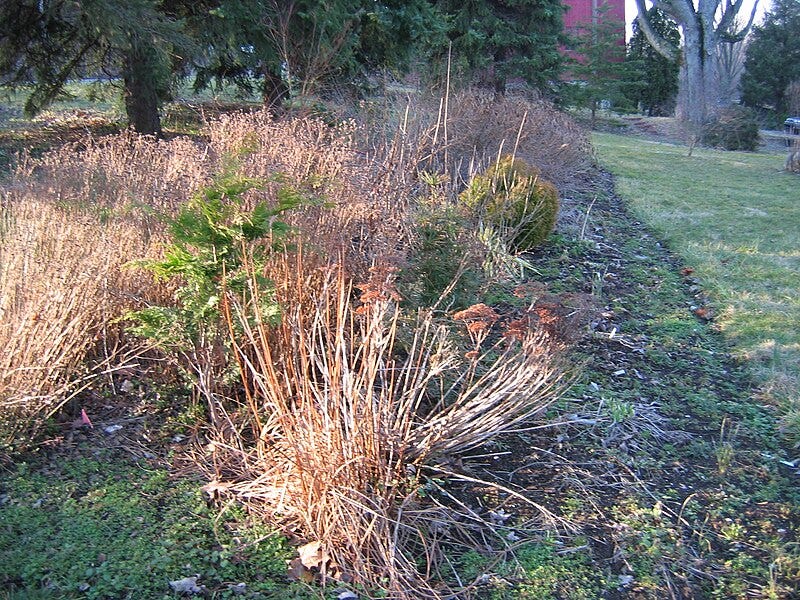
The calendar says it’s spring and in many places it certainly feels that way, but if you live in the northern regions, you probably shouldn’t clean up your yard just yet. I fully recognize how hard it is not to rake up old leaves, trim off last year’s growth, and get the ground ready to spring into new life. But chances are it’s too soon.
Why you should wait
I’ve written before about the importance of leaving the leaves. Leaf litter provides essential overwintering habitat for all kinds of critters, from tiny insects to bumble bees to larger forms of wildlife. We’ve been taught that we need to remove it all, but we don’t. In addition to boosting essential insect populations, fallen leaves feed plants, too. Trees are incredibly good at feeding themselves—leaves that fall in autumn break down and become soil that feeds trees and other vegetation in the spring.
Most insects don’t emerge from their winter slumber until nights are reliably in the 50s. If you clean up before then and send those leaves to the landfill (or even the compost pile), you risk destroying an entire generation of beneficial insects. So hold off just a bit longer.

How to know when to clean up
The Xerces Society, an organization dedicated to protecting the little things that run the planet (aka, invertebrates) recommends watching for several signs before you glove up and head into the yard:
If you aren’t ready to pack away your winter gear, you should definitely wait—it’s not warm enough yet.
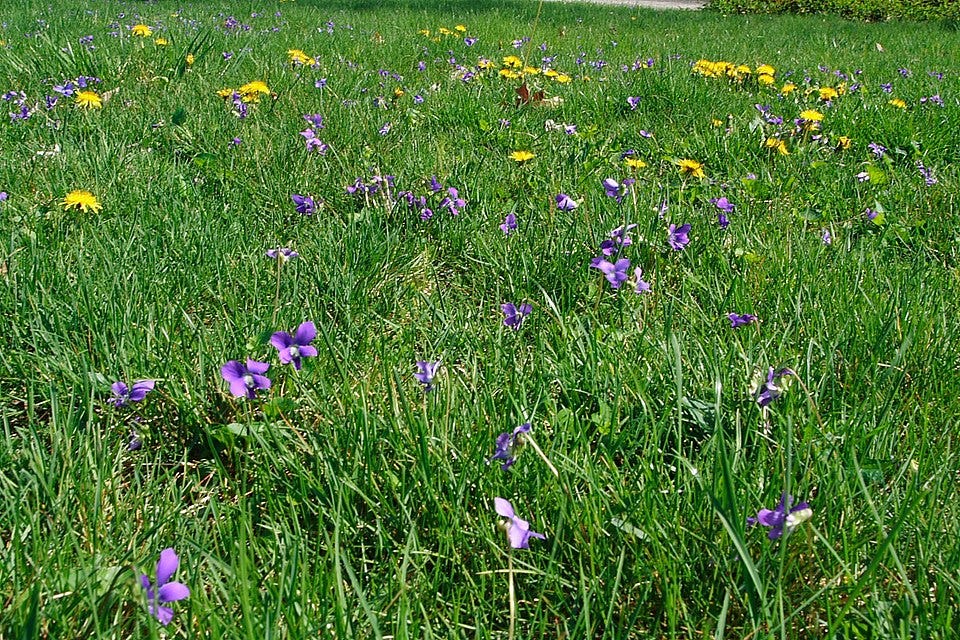
Has the grass started growing? Is it long enough to mow? If not, it’s still too soon. Most cool season turf grasses begin to grow once those nighttime temps get into the 50s. If it is long enough to mow, wait to do so. Flowers growing in the lawn will provide essential food for insects that are just beginning to emerge. Don’t think of them as weeds—think of them as pollinator food. Bees, butterflies, flies, and more rely on those “weedy” flowers to get them through these early weeks of spring.

If you live in central to northern U.S. and want to put your clean-up on the calendar, Tax Day (April 15) is a usually a good day to get out in the yard. Or if you’d rather time things based on what’s happening in your area, keep an eye on apple and pear trees, which bloom early. Once they’re done blooming, it should be safe to remove leaf litter and last-year’s garden growth.
Keep your clean-up to a minimum
It’s easy to feel as though you need to remove all the leaves from last fall before carting in a brand new layer of wood mulch. But really, why bother? Leaves won’t hurt your yard. In fact, leaf litter makes excellent mulch—it breaks down faster than wood chips, providing a steady supply of nutrients to the soil and plants.
Have too many weedy plants coming up? A thick layer of leaves does an outstanding job of suppressing weeds if you have problem areas. Instead of removing old leaves and replacing them with wood mulch (that probably isn’t locally sourced and comes with some big environmental costs), put nature to work for you. It’s remarkably easy to move leaves around as needed, saving you time, money, and energy. Just wait until it’s warm enough before you get started.

If you like One Simple Thing, please forward to a friend who might be interested in taking steps toward a healthier planet!